
The Quiet Math Behind Every Spin, Bet, and Bluff
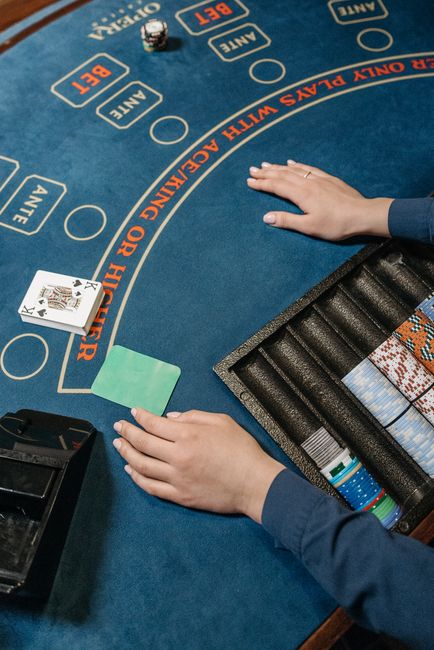
There is a moment every gambler knows: the half-second after you press the button when the universe could still go either way. That pause is where the entire iGaming industry lives. It does not matter whether you are spinning a five-reel slot, sweating a three-bet on the river, or watching a 30-leg accumulator collapse in stoppage time. The same invisible architecture is humming underneath — probability, house edge, variance, and the strange psychology of people who believe they are one decision away from a different life.
I have spent years watching this machinery from the inside: reading payout tables, modelling volatility, and losing more than I would like to admit on things that felt like certainties. Here is what actually matters if you want to survive the ride.
Every Game Is Just a Tax on Hope — But the Rates Differ
The house edge is not a moral judgment; it is a business model. It is the mathematically guaranteed slice of every wager that flows to the operator over time. The lower it is, the longer your bankroll survives. The catch is that most players confuse "low edge" with "good game" when the two are not the same thing.
- Blackjack (basic strategy): roughly 0.5% edge — the best mainstream bet in the building, if you actually memorise the chart.
- Baccarat, banker bet: about 1.06% — boring, unglamorous, and brutally efficient.
- European roulette: 2.7% versus American roulette's 5.26%. That single extra green pocket doubles your expected loss.
- Slots: typically 2% to 10%, sometimes higher. You are paying for the entertainment, and you should know it.
- Sportsbook margins: a standard two-way market carries 4% to 6% built in; accumulators compound that margin with every leg.
- Poker: the only mainstream game where you play the other players, not the house. The rake is the tax, and it is the smallest one on the list.
Know that number before you sit down. A 5% slot and a 0.5% blackjack table feel identical at the moment of the bet. Twelve hours later, they are not remotely the same experience.
Variance Is the Villain Nobody Talks About
Expected value tells you what happens over infinite spins. Variance tells you what happens tonight, and tonight is the only thing you will actually remember.
Two slot machines can have identical RTP — say 96% — and deliver wildly different rides. A low-volatility game drips small wins and lets you nurse a bankroll for hours. A high-volatility slot might pay nothing for 300 spins and then drop 800x on a bonus. Neither is better. They are different products serving different temperaments.
The same logic governs sports betting. A straight moneyline bet on a heavy favourite is low variance and low reward. A five-leg parlay is a lottery ticket with a sports jacket. Both can be profitable in theory; only one will keep you sane in practice. When someone tells me they lost "because the game was rigged," what they usually mean is that they chose a volatility profile their bankroll could not absorb.
A quick reality check on parlays
Four legs at 50% true probability each comes to a 6.25% chance of hitting — roughly 15-to-1. If the book pays you 10-to-1, you are handing over a huge margin for the thrill of the ticket. It is the single most popular bet in the world and one of the least efficient. That does not make it stupid. It makes it important to know what you are buying. For more on this, see dana slot.
Slots: Where the Design Does the Work
Modern slots are psychological instruments. The reels are not random in the way players imagine; they run on mapped reel strips and random number generators that are audited and certified. What matters to you is not the RNG but the shape of the payout curve.
Watch for these signals:
- Bonus frequency. Some games trigger free spins every 120 spins on average, others every 350. That gap defines the entire feel of the session.
- Max win caps. A game advertising 5,000x is telling you the ceiling. Do not plan a life around it.
- Autoplay and Turbo. Convenience features raise your spins-per-hour from around 500 to nearly 1,500. Nothing about the maths changed. Your exposure did.
- Bonus buys. You are paying a premium, usually with a worse expected value than grinding the base game. They are a speed feature, not a value feature.
The most useful slot habit I know is simple: open the paytable before your first spin. Thirty seconds of reading tells you more than three hours of guessing.
Poker Is a Different Species Entirely
Poker is the only game on this list where skill can turn a negative-sum contest into a positive one for a minority of players. The house does not care who wins; it just collects the rake. That means your edge must exceed the rake, and in low-limit games, the rake can swallow a genuinely good player's profit.
What separates winners is not hero calls or bluffs you saw in a highlight clip. It is discipline in unglamorous places: folding top pair to heavy action, not paying off the nit who only raises with the nuts, and understanding that position and bet sizing drive more profit than any dramatic read.
If you are starting out, play fewer hands than feels natural, track your results over at least 20,000 hands, and treat variance as a roommate you cannot evict. One session tells you almost nothing. One hundred sessions start to tell a story.
The psychological trap that catches everyone
Near-misses — two matching symbols on the fourth reel, a missed parlay by one leg, a gutshot that bricks — are processed by the brain much like actual wins. This is not weakness; it is wiring. Casino product design deliberately leans into it. Recognising the phenomenon takes away most of its power. When you feel that jolt after a near-miss, name it for what it is and step away for ten minutes.
Bankroll Rules That Actually Hold Up
Every article says "set a budget." Almost nobody explains how to size it. Here is a framework that works across games:
- Decide your session stake first. A common guideline is 100 to 200 big bets for poker, or 100 to 200 base-game spins for slots on high-volatility titles.
- Split it into stop-losses. If you bring £300, decide now that hitting £150 ends the session. Write it down.
- Set a time limit, not just a money limit. Fatigue destroys decision quality faster than bad luck does.
- Never chase. Losses are the price of the entertainment, not a debt the game owes you.
- Withdraw profits, at least sometimes. Money that never leaves the account never feels real, and that is precisely the trap.
None of this guarantees a winning session. It guarantees that a losing one does not define your month.
The Only Edge You Truly Control
The RNG does not know you. The bookmaker's margin does not care about your story. But the decisions you make before the bet — which game, what stake, how long, and when to stop — are entirely yours. That is the whole trick, and it is not really a trick at all.
The players who last are not the ones chasing the biggest multiplier or the perfectly timed accumulator. They are the ones who understood the maths early, respected the variance, and treated the entire enterprise as what it is: entertainment with a price tag. Go in with that mindset, and every spin, bet, and bluff becomes exactly what it was supposed to be.